,

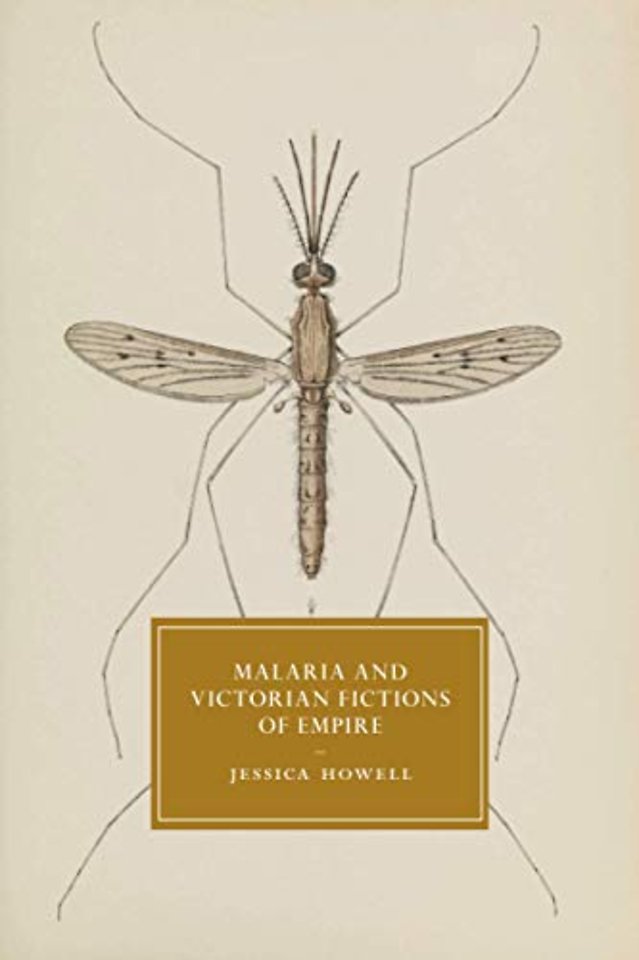
Malaria and Victorian Fictions of Empire

Specificaties
Paperback, 256 blz. | Engels
Cambridge University Press | 2020
ISBN13: 9781108462457
Rubricering
Cambridge University Press e druk, 2020 9781108462457
Onderdeel van serie Cambridge Studies in
€ 44,04
Levertijd ongeveer 9 werkdagen
Gratis verzonden

Samenvatting

The impact of malaria on humankind has been profound. Focusing on depictions of this iconic 'disease of empire' in nineteenth-century and postcolonial fiction, Jessica Howell shows that authors such as Charles Dickens, Henry James, H. Rider Haggard, Olive Schreiner and Rudyard Kipling did not simply adopt the discourses of malarial containment and cure offered by colonial medicine. Instead, these authors adapted and rewrote some common associations with malarial images such as swamps, ruins, mosquitoes, blood, and fever. They also made use of the unique potential of fiction by incorporating chronic, cyclical illness, bodily transformation and adaptation within the very structures of their novels. Howell's study also examines the postcolonial literature of Amitav Ghosh and Derek Walcott, arguing that these authors use the multivalent and subversive potential of malaria in order to rewrite the legacies of colonial medicine.

Specificaties

ISBN13:9781108462457
Taal:Engels
Bindwijze:Paperback
Aantal pagina's:256

Inhoudsopgave

List of figures; Acknowledgements; Introduction; 1. Nationalism and acute malaria in transatlantic fiction: Charles Dickens and Henry James; 2. Malaria and the imperial romance: H. Rider Haggard's King Solomon's Mines; 3. Malarial feminisms: Olive Schreiner and the allegories of chronic disease; 4. The boy doctor of empire: malaria and mobility in Rudyard Kipling's Kim; 5. Rewriting the bite: the Calcutta chromosome, mosquitoes, and global health politics; Coda: towards a postcolonial health humanities; Bibliography.
€ 44,04
Levertijd ongeveer 9 werkdagen
Gratis verzonden

Rubrieken

    Personen

      Trefwoorden

        Malaria and Victorian Fictions of Empire