Verdi and the Germans
From Unification to the Third Reich
Samenvatting
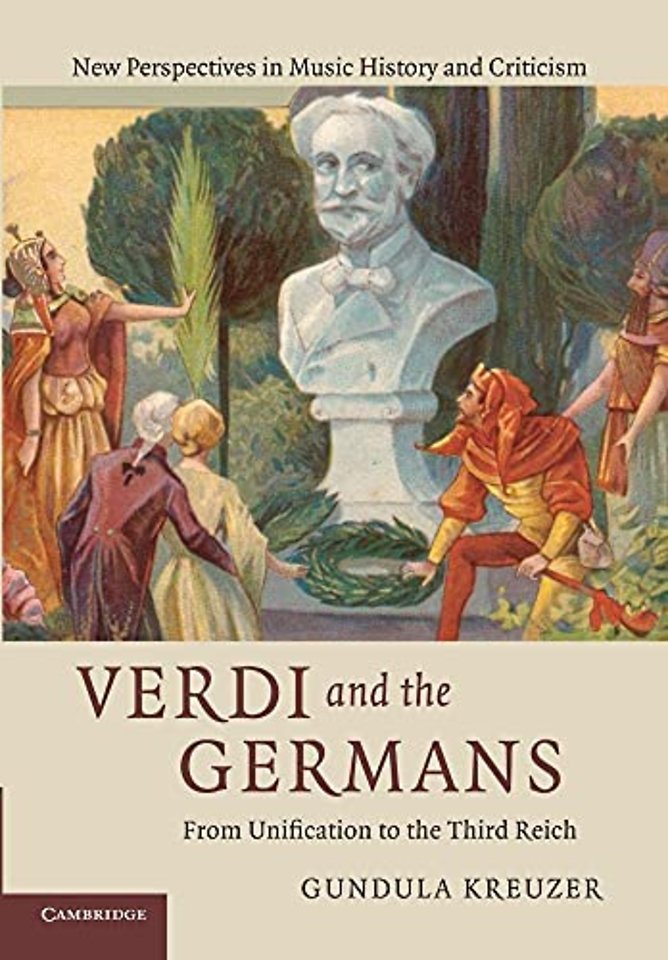
This seminal study of Giuseppe Verdi's German-language reception provides important new perspectives on German musical culture and nationalism from the mid-nineteenth century onwards. Kreuzer argues that the concept of Germany's musical supremacy, so dear to its nationalist cause, was continually challenged by the popularity of Italian opera, a genre increasingly epitomised by Verdi. The book traces the many facets of this Italian-German opposition in the context of intense historical developments from German unification in 1871 to the end of World War II and beyond. Drawing on an exceptionally broad range of sources, Kreuzer explores the construction of visual and biographical images of Verdi; the marketing, interpretation and adaptation of individual works; regional, social and religious undercurrents in German musical life; and overt political appropriations. Suppressed, manipulated and, not least, guiltily enjoyed, Verdi emerges as a powerful influence on German intellectuals' ideas about their collective identity and Germany's paradigmatic musical Other.