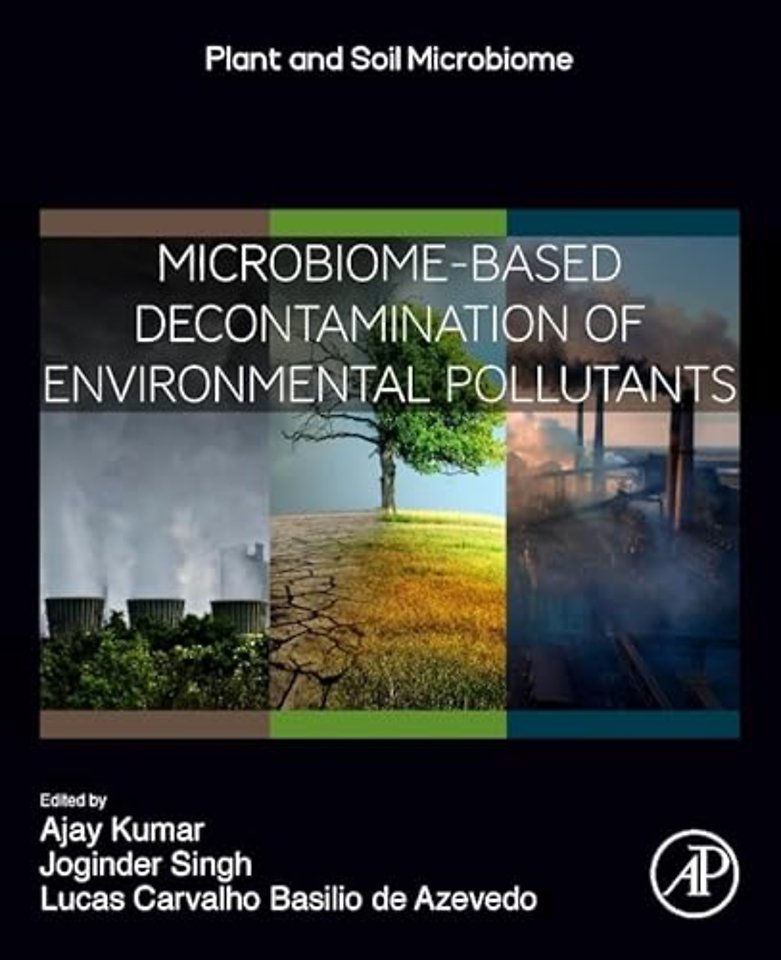
, , , e.a.

Microbiome-Based Decontamination of Environmental Pollutants

Specificaties
Paperback, blz. | Engels
Elsevier Science | 2024
ISBN13: 9780443217814
Rubricering
Elsevier Science e druk, 2024 9780443217814
Onderdeel van serie Plant and Soil Microbiome
€ 211,00
Levertijd ongeveer 9 werkdagen
Gratis verzonden

Samenvatting

Microbiome-Based Decontamination of Environmental Pollutants explores the complex interactions of plant-associated microbiomes, providing insights into the pressing challenges of managing environmental resources such as soil, water, and waste. Analysis has shown a formidable potential based in the network interactions between plant microbiota and environmental contaminants. This book presents insights into the potential exploitation of these plant-associated microbial functions. This volume in the Plant and Soil Microbiome series summarizes microbiological aspects of environmental management from the basics to advanced theoretical as well as practical aspects of microbial-based approaches.

The physical and chemical changes caused by pollution of an ecosystem can occur rapidly, significantly impacting the functionality of ecosystem services in that environment. Environmental contamination poses and increasingly global challenge through direct and indirect adverse impacts on the climate, soil productivity and the health concerns of human beings. Traditional remediation techniques are not consistently feasible in mitigating environmental contaminants challenges in terms of cost-effectiveness, limited land resources and toxic residual products. The use of plant-associated microbes as part of a network of tools opens a new door to explore an alternative, eco-friendly and economical technology to mitigate the challenges of environmental contamination.

Specificaties

ISBN13:9780443217814
Taal:Engels
Bindwijze:Paperback

Inhoudsopgave

1. Bioremediation: using indigenous microorganisms to clean up the environment<br>2. Significance, mechanisms and environmental implications of microbe mediated remediation<br>3. Microbiome immobilized sorbents: status and future aspects<br>4. Understanding and Designing the Strategies for the Microbe-Mediated Remediation of Environmental Contaminants Using Omics Approaches<br>5. Microbial Indicators for Monitoring Pollution and Bioremediation<br>6. Bioremediation of high molecular weight polycyclic aromatic hydrocarbons<br>7. Biochemical approach in microbial degradation organic contaminants<br>8. Microbial Bioremediation of Metal and radionuclides: Approaches and Advancement<br>9. Microbe assisted remediation of xenobiotics: A sustainable solution<br>10. Importance of microbial surfactants in heavy metal remediation<br>11. Role of Microbial biofilms in bioremediation: Current Perspectives<br>12. Applications of Microbial extracellular polysaccharides in Bioremediation<br>13. Exploring the potential of cyanobacteria in contamination management<br>14. Potential use of Endophytic microbe in environment contamination management<br>15. Environmental antibiotics and resistance genes as emerging contaminants: and their bioremediation<br>16. Synthetic Microbial Consortia: utilization in environment sustainability<br>17. Microbiological risk assessment of food OR genetically modified organisms
€ 211,00
Levertijd ongeveer 9 werkdagen
Gratis verzonden

Rubrieken

    Personen

      Trefwoorden

        Microbiome-Based Decontamination of Environmental Pollutants