, , , , e.a.

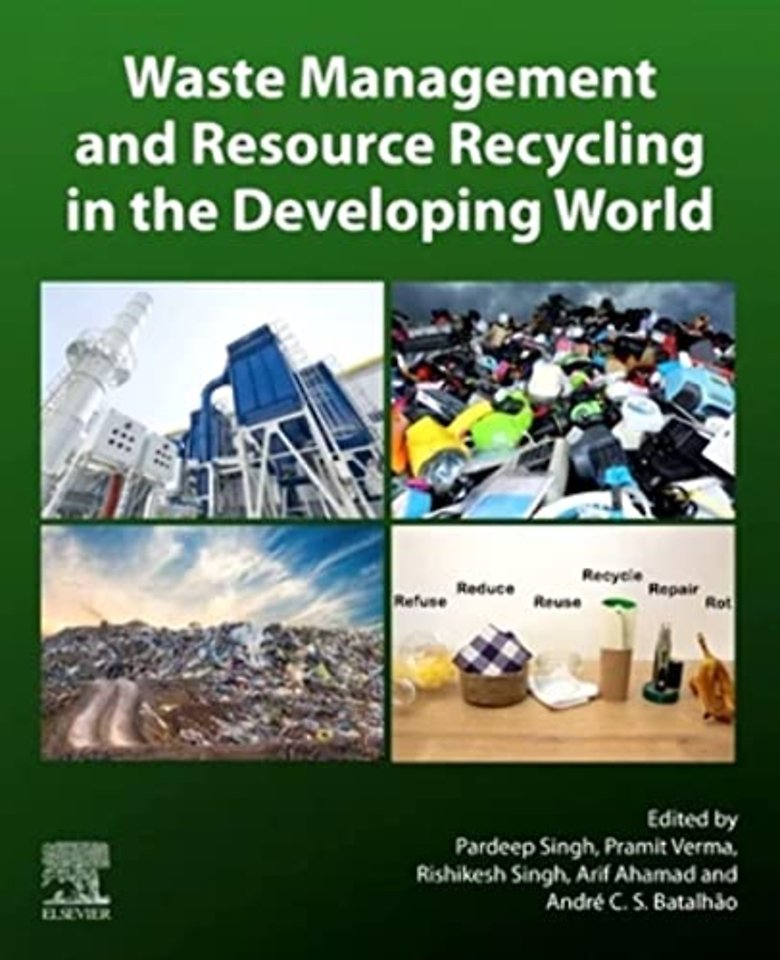
Waste Management and Resource Recycling in the Developing World

Specificaties
Paperback, blz. | Engels
Elsevier Science | 2022
ISBN13: 9780323904636
Rubricering
Elsevier Science e druk, 2022 9780323904636
€ 167,80
Levertijd ongeveer 9 werkdagen
Gratis verzonden

Samenvatting

Waste Management and Resource Recycling in the Developing World provides a unique perspective on the state of waste management and resource recycling in the developing world, offering practical solutions based on innovative tools and technologies, along with examples and case studies. The book is organized by waste type, including electronic, industrial and biomedical/hazardous, with each section covering advanced techniques, such as remote sensing and GIS, as well as socioeconomic factors, transnational transport and policy implications. Waste managers, environmental scientists, sustainability practitioners, and engineers will find this a valuable resource for addressing the challenges of waste management in the developing world.

There is high potential for waste management to produce energy and value-added products. Sustainable waste management based on a circular economy not only improves sanitation, it also provides economic and environmental benefits. In addition to waste minimization, waste-to-economy and waste-to-energy have become integral parts of waste management practices. A proper waste management strategy not only leads to reduction in environmental pollution but also moves toward generating sufficient energy for improving environmental sustainability in coming decades.

Specificaties

ISBN13:9780323904636
Taal:Engels
Bindwijze:Paperback

Inhoudsopgave

1. Waste generation in Brazil: municipal, agricultural and industrial wastes<br>2. Generation of Waste: Problem to Possible Solution in Developing and Underdeveloped Nations<br>3. Use of participatory methodologies to improve the Urban Solid Waste Management System in Cape Verde – Sal Island<br>4. Waste Characterization in Brazil<br>5. E-Waste Management– Sources, Strategies, Impacts and Consequences<br>6. Translational Transport of E-Waste and implications on human well beings and the environment<br>7. Electronic (e-waste) Conduct: Chemical assessment and treatment methods<br>8. Biological methods for the treatment of e-waste<br>9. Chemical Methods for the treatment of e-waste<br>10. E-Waste Management Using Different Cost-Effective, Eco-friendly Biological Techniques: An Overview<br>11. Life cycle assessment of e-waste management: Current practices and future research agenda towards sustainability<br>12. E-waste: Policies and Legislations for a sustainable green growth<br>13. E-waste policies and implementation: a global perspective<br>14. The future of e-waste in the circular economy of Ghana: Implications for urban planning, environmental and human health risks<br>15. The role of the informal sector on e-waste management: a case study from Brazil<br>16. Recent Perspectives of Nanoparticles in Industrial Waste Management-an overview<br>17. Advances in industrial waste management<br>18. Nano- and microplastics in the environment: a potential threat to in-situ bioremediation of wastewaters<br>19. Biological Methods For The Treatment Of Industrial Waste<br>20. Adsorptive Removal Of Hazardous Dyes From Industrial Waste Using Activated Carbon: An Appraisal<br>21. Hazardous waste management lessons from developed countries<br>22. Hazardous biomedical waste management scenario of the developing countries<br>23. Chemical methods for the treatment of biomedical hazardous waste<br>24. Advances in Biomedical waste management technologies<br>25. Biological treatment of pharmaceutical wastes <br>26. Municipal solid waste management, its fate and waste-to-energy in the context of a developing economy like India<br>27. Applications of waste-to-economy practices in urban water sector: Implications for Environmentaland Human health<br>28. Cost-benefit analysis act as a tool for evaluation of waste to the economy: A synthesis<br>29. Conversion of waste materials into different by-products of economic value<br>30. Vermicomposting – the sustainable Solid Waste Management<br>31. Sustainability Of Biorefineries For Waste Management<br>32. Municipal solid waste management in Brazil: overview and trade-offs between different treatment technologies<br>33. Waste management practices in a developing nation: Challenges and opportunities
€ 167,80
Levertijd ongeveer 9 werkdagen
Gratis verzonden

Rubrieken

    Personen

      Trefwoorden

        Waste Management and Resource Recycling in the Developing World