Samenvatting

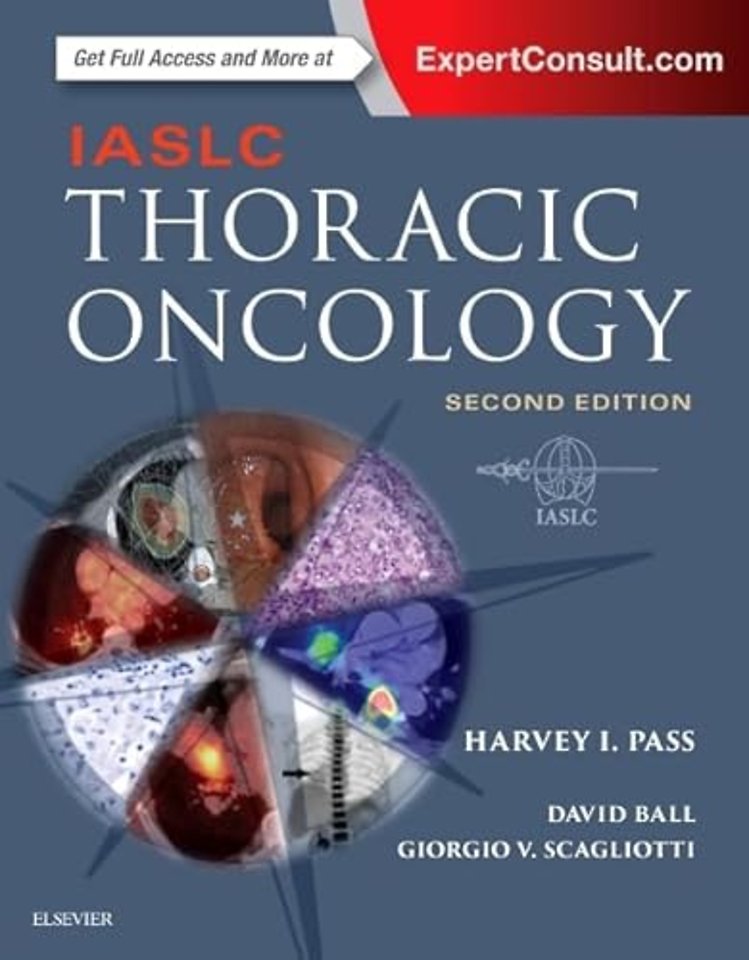
Global experts, in conjunction with the International Association for the Study of Lung Cancer, bring you up to date with today’s best approaches to lung cancer diagnosis, treatment, and follow-up. IASLC Thoracic Oncology, 2nd Edition, keeps you abreast of the entire scope of this fast-changing field, from epidemiology to diagnosis to treatment to advocacy. Written in a straightforward, practical style for the busy clinician, this comprehensive, multidisciplinary title is a must-have for anyone involved in the care of patients with lung cancer and other thoracic malignancies. Offers practical, relevant coverage of basic science, epidemiology, pulmonology, medical and radiation oncology, surgery, pathology, palliative care, nursing, and advocacy.

Provides authoritative guidance from the IASLC – the only global organization dedicated to the study of lung cancer. Includes new content on molecular testing, immunotherapy, early detection, staging and the IASLC staging system, surgical resection for stage I and stage II lung cancer, and stem cells in lung cancer.

Features a new full-color design throughout, as well as updated diagnostic algorithms.

Expert Consult™ eBook version included with purchase. This enhanced eBook experience allows you to search all of the text, figures, Q&As, and references from the book on a variety of devices.

Specificaties

ISBN13:9780323523578
Taal:Engels
Bindwijze:Gebonden

Inhoudsopgave

<p>Section 1: Lung Cancer Control and Epidemiology</p> <p>1. Classical Epidemiology</p> <p>2. Tobacco Control and Primary Prevention</p> <p>3. Tobacco Cessation  </p> <p>4. Non-Smoking Related Lung Cancer</p> <p>5. Gender-Related Differences in Lung Cancer</p> <p>6. Genetic Susceptibility to Lung Cancer</p> <p>7. Early Detection and Radiologic Screening</p> <p>8. Preclinical Biomarkers for The Early Detection of Lung Cancer</p> <p>9. Chemoprevention of Lung Cancer: Present and Developing Technologies</p> <p>Section 2: Lung Cancer Molecular Carcinogenesis</p> <p>10. Copy Number Abnormalities and Gene Rearrangements in Lung Cancer: Present and Developing Technologies</p> <p>11. Mutational Events in Lung Cancer: Present and Developing Technologies</p> <p>12. Epigenetic Events, Alterations, and Remodeling in Lung Cancer: Present and Developing Technologies</p> <p>13. Stem Cells and Lung Cancer: In Vitro and In Vivo Studies</p> <p>14. Microenvironment and Lung Cancer  </p> <p>15. MicroRNAs as Biomarkers for Lung Cancer</p> <p>Section 3: Immunology</p> <p>16. Humoral and Cellular Immune Dysregulation and Lung Cancer</p> <p>Section 4: Pathology</p> <p>17. Classic Anatomic Pathology and Lung Cancer</p> <p>18. Molecular Testing and Lung Cancer</p> <p>19. Management of the Small Biopsy in the Molecular Er  </p> <p>Section 5: Clinical and Radiologic Presentation of Lung Cancer</p> <p>20. Clinical Presentation  </p> <p>21. Conventional Imaging Lung Cancer</p> <p>22. PET Imaging of Lung Cancer</p> <p>Section 6: Diagnosis and Staging of Lung Cancer</p> <p>23. Diagnostic Work-Up of Suspected Lung Cancer</p> <p>24. Surgical Staging of the Mediastinum including Mediastinoscopy and Thoracoscopy, Preoperative and Intraoperative</p> <p>25. The 8th Edition of the Tumor, Node and Metastasis Classification of Lung Cancer</p> <p>Section 7: Surgical Management of Lung Cancer</p> <p>26. Preoperative Functional Evaluation of the Surgical Candidate  </p> <p>27. Results of Video Assisted Techniques for Resection of Lung Cancer  </p> <p>28. Results of Robotic Techniques for Resection of Lung Cancer</p> <p>29. Extent of Surgical Resection for Stage I and II Lung Cancer  </p> <p>30. Extended Resections for Lung Cancer: Chest Wall and Pancoast Tumors  </p> <p>31. Extended Resections for Lung Cancer: Broncho/Vascular Sleeve Resections</p> <p>32. Multiple Nodules: Management of the Patient with Synchronous or Metachronous Lung Cancers</p> <p>33. Surgical Management of the Marginally Resectable Patient</p> <p>Section 8: Radiotherapeutic Management of Lung Cancer</p> <p>34. Technical Requirements for Lung Cancer Radiotherapy</p> <p>35. Radiobiology of Lung Cancer</p> <p>36. Patient Selection for Radiotherapy </p> <p>37. Stage I Non-Small Cell Lung Cancer and Oligometastatic Disease</p> <p>38. Ablation Options for Localized Lung Cancer</p> <p>39. Radiotherapy for Locally Advanced Non-Small Cell Lung Cancer, including Combined Modality</p> <p>40. Radiotherapy in the Management of Small Cell Lung Cancer: Thoracic Radiotherapy, Prophylactic Cranial Irradiation</p> <p>41. Palliative Radiotherapy for Lung Cancer: Locoregional and Metastatic</p> <p>42. Acute and Late Toxicities of Thoracic Radiotherapy: Pulmonary, Esophagus, Heart</p> <p>43. Treatment-Related Neurotoxicity, Medical and Radiation Therapy</p> <p>Section 9: Chemotherapy and Targeted Agents for Lung Cancer</p> <p>44. Front-Line Systemic Options in Non-Small Cell Lung Cancer  </p> <p>45. Systemic Options in Second Line and Beyond</p> <p>46. Maintenance Therapy in NSCLC</p> <p>47. Pharmacogenomics and Lung Cancer</p> <p>48. New Targetable Pathways in Lung Cancer</p> <p>49. Management of Toxicities of Targeted Therapies</p> <p>50. Immunotherapy and Lung Cancer</p> <p>51. Systemic Therapy in Early-Stage NSCLC </p> <p>52. Treatment of Small-Cell Lung Cancer</p> <p>Section 10: Other Thoracic Malignancies</p> <p>53. Malignant Mesothelioma </p> <p>54. Mediastinal Tumors</p> <p>55. Neuroendocrine Tumors of the Lung Other than SCLC</p> <p>56. Thymic Cancer/Thymoma</p> <p>Section 11: Symptom Management and Complications</p> <p>57. Lung Cancer Emergencies</p> <p>58. Role of Palliative Care in Lung Cancer</p> <p>Section 12: Clinical Trials</p> <p>59. Methodology of Clinical Trials in Lung Cancer </p> <p>60. How to Promote and Organize Clinical Research in Lung Cancer</p> <p>Section 13: Thoracic Oncology Advocacy</p> <p>61. Role of Advocacy Groups in Lung Cancer</p> <p>62. Health Services Research in Lung Cancer</p> <p>Appendix</p> <p>63. Appendix: Diagnostic Algorithms</p>
€ 254,74
Levertijd ongeveer 9 werkdagen
Gratis verzonden

Rubrieken

    Personen

      Trefwoorden

        IASLC Thoracic Oncology