Nena Vandeweerdt
Leuven University Press
1e druk, 2025
9789462704947
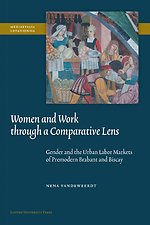
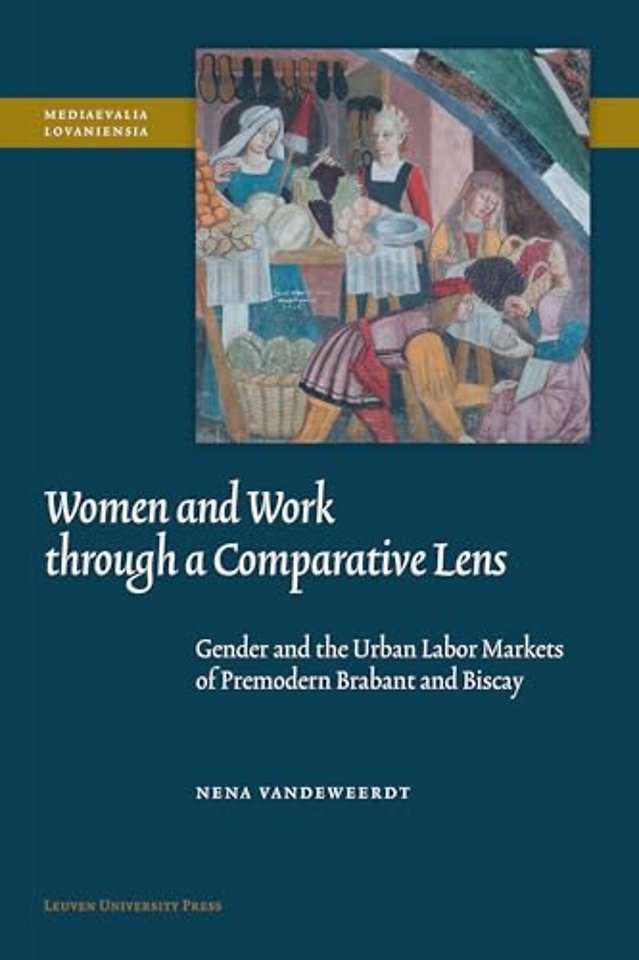
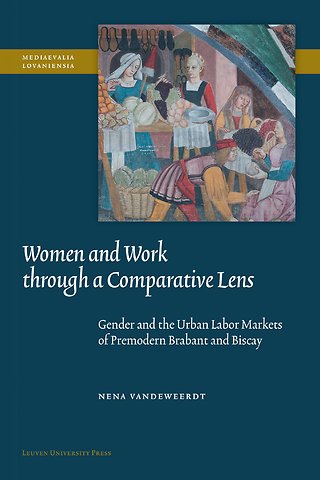
Women and Work through a Comparative Lens
Gender and the Urban Labor Markets of Premodern Brabant and Biscay
Specificaties
Paperback, 250 blz.
|
EN
Leuven University Press |
1e druk, 2025
ISBN13: 9789462704947
Rubricering
Onderdeel van serie
Mediaevalia Lovaniensia
Op voorraad
Nu besteld, woensdag in huis
Gratis verzonden
Specificaties
ISBN13:9789462704947
Taal:EN
Bindwijze:paperback
Aantal pagina's:250
Uitgever:Leuven University Press
Druk:1
Verschijningsdatum:12-12-2025
Hoofdrubriek:Geschiedenis
Serie:Mediaevalia Lovaniensia
Inhoudsopgave
List of Figures
List of Tables
Acknowledgements
Abbreviations
A Note on Numbers
Introduction. Comparing Women’s Work
1. Institutions and Their Impact: The Guild Debate
2. “How Society Worked”
3. A North-South Comparison
4. Mapping the Terrain: Biscay and Brabant
Bilbao
Antwerp
Mechelen
5. Sources
6. Chapter Organization
Chapter 1. Tracing Women’s Work
1. Female Labor Sectors, Women’s Work, and Town Ordinances
Bread Trade
Fish Trade
Itinerant Informal Traders
Merchants
Artisan Workers
The Hidden Workforce
2. Women’s Financial Status
3. Conclusion
Chapter 2. Shaping the Framework
1. The Household Economy in Brabant and Biscay
Widows
Spousal Cooperation
Never-Married Household Members
Shifting Away from the Household Paradigm
2. Craft Guilds: The Stronghold of the Brabantine Urban Economy
3. Operating Informally: Main Street or Margins?
4. Conclusion
Chapter 3. Limiting Women’s Work
1. Bilbao’s Council and the “Protection of the Consumer”
2. Brabantine Guilds and Town Councils
Economic Motivations, Gendered Outcomes
The ‘Guild Effect’
3. Growing Restrictions?
4. Conclusion
Chapter 4. Wielding the Framework
1. Influencing Regulation
Wielding Authority
Direct Influence
Consent, Bargaining, and Leverage
2. Going to Court
Biscayan Tradeswomen in Court
Risk-Taking and Forum Shopping
The ‘Poverty Argument’
Group Recognition
3. Conclusion
Understanding Women’s Work
Bibliography
1. Archival sources
Biscay
Brabant
2. Printed sources
Brabant
Biscay
3. Secondary sources
4. Digital sources
Index
List of Tables
Acknowledgements
Abbreviations
A Note on Numbers
Introduction. Comparing Women’s Work
1. Institutions and Their Impact: The Guild Debate
2. “How Society Worked”
3. A North-South Comparison
4. Mapping the Terrain: Biscay and Brabant
Bilbao
Antwerp
Mechelen
5. Sources
6. Chapter Organization
Chapter 1. Tracing Women’s Work
1. Female Labor Sectors, Women’s Work, and Town Ordinances
Bread Trade
Fish Trade
Itinerant Informal Traders
Merchants
Artisan Workers
The Hidden Workforce
2. Women’s Financial Status
3. Conclusion
Chapter 2. Shaping the Framework
1. The Household Economy in Brabant and Biscay
Widows
Spousal Cooperation
Never-Married Household Members
Shifting Away from the Household Paradigm
2. Craft Guilds: The Stronghold of the Brabantine Urban Economy
3. Operating Informally: Main Street or Margins?
4. Conclusion
Chapter 3. Limiting Women’s Work
1. Bilbao’s Council and the “Protection of the Consumer”
2. Brabantine Guilds and Town Councils
Economic Motivations, Gendered Outcomes
The ‘Guild Effect’
3. Growing Restrictions?
4. Conclusion
Chapter 4. Wielding the Framework
1. Influencing Regulation
Wielding Authority
Direct Influence
Consent, Bargaining, and Leverage
2. Going to Court
Biscayan Tradeswomen in Court
Risk-Taking and Forum Shopping
The ‘Poverty Argument’
Group Recognition
3. Conclusion
Understanding Women’s Work
Bibliography
1. Archival sources
Biscay
Brabant
2. Printed sources
Brabant
Biscay
3. Secondary sources
4. Digital sources
Index