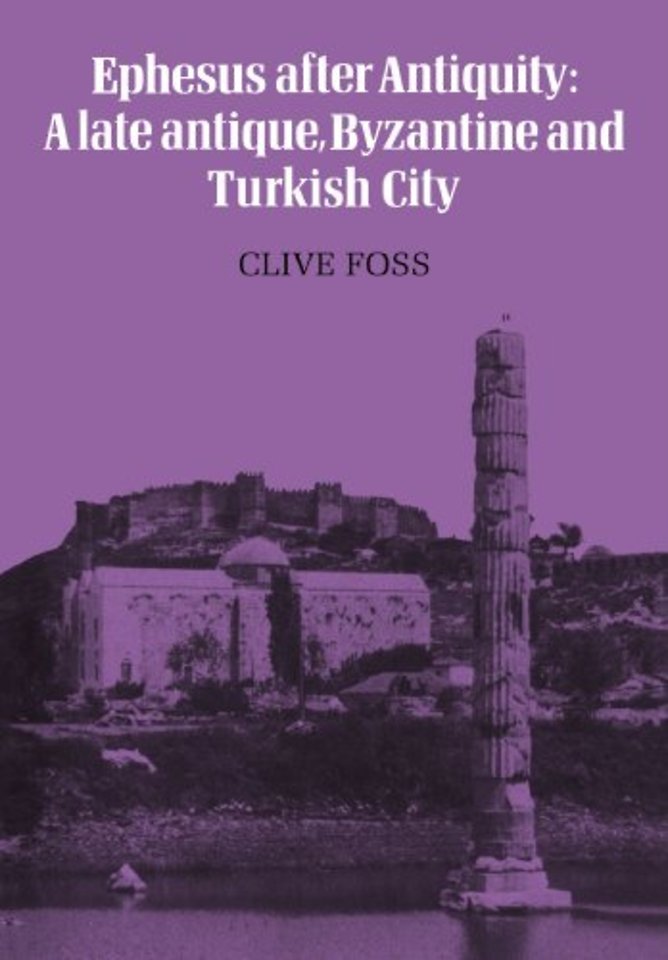
Ephesus After Antiquity
A late antique, Byzantine and Turkish City
Samenvatting
Ephesus has had a fascinating and eventful history. Famous for its connections with Artemis, Heraclitus and St Paul, it is also one of the richest archaeological sites in the Mediterranean. Founded in the tenth century BC, it became, in the Hellenistic and Roman periods, the largest city and most important commercial centre in Asia Minor and continued in this role into Late Antiquity, where Professor Foss takes up its story. Professor Foss charts the fluctuations of Ephesus in all their aspects, religious, social, political and geographical, with extensive reference to many sources - historians, hagiographers, and travellers, as well as the rich archaeological evidence. The author's ability to visualise and convey what the city must have looked like at each stage, coupled with his strong narrative sense and varied choice of illustrations, will appeal to the general reader interested in Ephesus and to archaeologists, historians and those interested in church history.