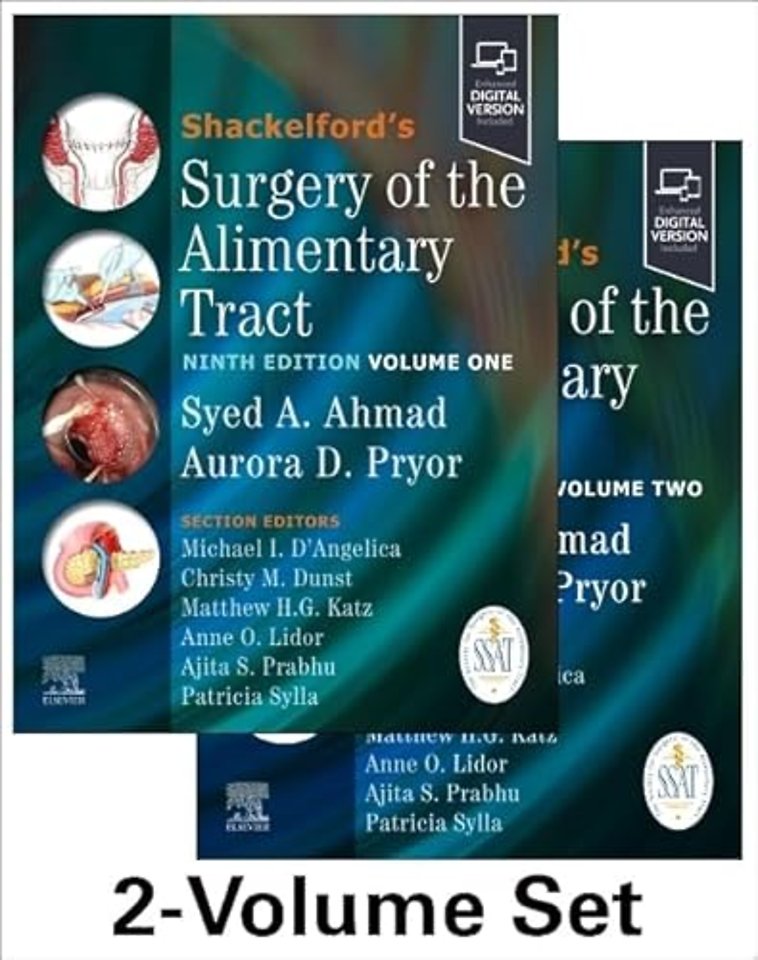
<p>Volume 1<br>SECTION I: Esophagus<br>Part One: Anatomy and Physiology of the Esophagus<br>1 Anatomy of the Esophagus and the Gastroesophageal Reflux Barrier<br>2 Esophageal Motility: Techniques Used for the Diagnosis of Esophageal Motility Disorders and for Surgical Decision Making<br>3 Endoscopic Evaluation of the Esophagus: Key Components for Surgeons<br>4 pH and Impedance Evaluation of the Esophagus<br>5 Radiology of the Esophagus: Barium, Computed Tomography Scan, Positron Emission Tomography Scan, Magnetic Resonance Imaging<br>6 Esophageal Symptoms and Selection of Diagnostic Tests<br><br>Part Two: Esophageal Motility Disorders and Diverticula<br>7 Pathophysiology of Gastroesophageal Reflux<br>8 Acid-Suppression Therapy for Gastroesophageal Reflux Disease and the Therapeutic Gap<br>9 Fundoplication for Gastroesophageal Reflux Disease<br>10 Magnetic Sphincter Augmentation for Gastroesophageal Reflux Disease<br>11 Endoscopic Approach to Gastroesophageal Reflux Disease<br>12 Delayed Gastric Emptying in Gastroesophageal Reflux Disease<br>13 Patient Selection for Antireflux Surgery<br>14 Management of Gastroesophageal Reflux Disease With Esophageal Dysmotility, Scleroderma, and End-Stage Reflux<br>15 The Role of Gastroesophageal Reflux Disease in Pulmonary Disease<br>16 Management of Failed Antireflux Procedures<br>17 Obesity and GERD<br><br>Part Three: Hypercontractile Esophageal Sphincters and Diverticula<br>18 Cricopharyngeal Dysfunction and Zenker Diverticulum<br>19 Achalasia Diagnosis and Treatment<br>20 Surgical Management of Mid- and Distal Esophageal Diverticula<br><br>Part Four: Paraesophageal Hernia<br>21 Paraesophageal Hernia: Etiology, Presentation, and Indications for Repair<br>22 Laparoscopic Paraesophageal Hernia Repair: Key Components of Repair<br>23 Mesh at the Hiatus<br>24 Reducing Tension: Diaphragmatic Relaxing Incisions and Esophageal Lengthening During Large Hiatal Hernia Repair<br><br>Part Five: Barrett’s Esophagus<br>25 Controversies in the Definition of Barrett’s Esophagus<br>26 Management of Barrett’s Esophagus<br>27 Medical and Surgical Therapy for Gastroesophageal Reflux Disease and Barrett’s Esophagus<br><br>Part Six: Esophageal Cancer<br>28 Epidemiology, Risk Factors, and Clinical Manifestations of Esophageal Cancer<br>29 Endoscopic Management of High-Grade Dysplasia and Superficial Esophageal Carcinoma<br>30 Endoscopic Ultrasound of the Esophagus<br>31 Esophageal Cancer Diagnosis and Staging<br>32 Neoadjuvant Treatments in Locally Advanced Esophageal Cancer<br>33 Esophagectomy Techniques<br>34 Extent of Lymphadenectomy for Esophageal Cancer<br>35 Options for Esophageal Replacement<br>36 Anastomotic Complications After Esophagectomy<br>37 Survivorship Pathways in Esophagectomy: Prehabilitation, Enhanced Recovery, and Rehabilitation<br>38 Palliative Therapy for Esophageal Cancer<br><br>Part Seven: Miscellaneous Esophageal Conditions<br>39 Management of Esophageal Perforation<br>40 Submucosal Tumors in the Esophagus and Gastroesophageal Junction<br>41 Esophageal Duplication Cyst<br>42 Caustic Esophageal Injury<br><br>SECTION II: Hernia<br>Part One: Abdominal Core Health, Abdominal Wall Anatomy, Workup, and Preoperative Planning for Ventral Hernia Repair<br>44 Mesh: Material Science of Hernia Repair<br>45 Primary Umbilical and Epigastric Hernias: Open and MIS Approaches<br>46 Ventral Hernia—MIS Approaches<br>47 Open Ventral Hernia Repair, Management of Contamination, and Open Abdomens<br>48 Parastomal Hernia—MIS Approaches<br>49 Open Approaches to Parastomal Hernia Repair<br>50 Inguinal Hernia Repair—Minimally Invasive Approaches<br>51 Inguinal Femoral Hernia Repair: Open Tissue-Based Approaches<br>52 Inguinal Hernia Repair—Open Repair With Mesh<br>53 Uncommon Hernias<br><br>SECTION III: Stomach and Small Intestine<br>Part One: Stomach<br>54 Gastric Volvulus<br>55 Anatomy and Physiology of the Stomach<br>56 Diagnostic and Therapeutic Endoscopy of the Stomach and Small Bowel<br>57 Invasive and Noninvasive Access of the Stomach and Small Intestine<br>58 Surgery for Peptic Ulcer Disease<br>59 Gastric Adenocarcinoma Including Landmark Clinical Trials<br>60 Endoscopic Management of Early Gastric Cancers<br>61 Postgastrectomy Syndromes<br>62 Foreign Bodies and Bezoars of the Stomach and Small Intestine<br>63 Motility Disorders of the Stomach and Small Intestine<br>64 Miscellaneous Benign Lesions and Conditions of the Stomach, Duodenum, and Small Intestine<br>65 Surgical Disease of the Stomach and Duodenum in Infants and Children<br><br>Part Two: Morbid Obesity<br>66 The Obesity Pandemic<br>67 Medical Management of Obesity<br>68 Endoscopic Management of Morbid Obesity<br>69 Operations for Morbid Obesity<br>70 Management of Complications of Bariatric Surgery<br><br>Part Three: Small Intestine<br>71 Anatomy and Physiology of the Duodenum<br>72 Adenocarcinoma of the Small Intestine<br>73 Reoperations on the Stomach and Duodenum<br>74 Small Intestine<br>75 Small Bowel Obstruction<br>76 Internal Hernias: Congenital and Acquired<br>77 Gastric, Duodenal, and Small Intestinal Fistulas<br>78 Small Bowel Diverticula<br>79 Radiation Enteritis<br>80 Short Bowel Syndrome<br>81 Gastrointestinal Neuroendocrine Tumors<br>82 Gastrointestinal Stromal Tumors<br>83 Gastrointestinal Lymphomas<br>84 Surgical Conditions of the Small Intestine in Infants and Children<br>85 Ileostomy<br>86 Suturing, Stapling, and Tissue Adhesion<br>87 Anatomy and Physiology of the Mesenteric Circulation<br>88 Mesenteric Ischemia<br>89 The Current Management of Aortoenteric Fistula and Visceral Artery Aneurysms<br>90 Visceral Arterial Trauma<br><br>Volume 2<br>SECTION IV: Pancreas, Biliary Tract, Liver, and Spleen<br>Part One: Pancreas<br>91 Anatomy, Physiology, and Embryology of the Pancreas<br>92 Genetic Syndromes Associated With Pancreatic Disease<br>93 Acute Pancreatitis<br>94 Chronic Pancreatitis<br>95 Pseudocysts and Other Complications of Pancreatitis<br>96 Endoscopic and Minimally Invasive Therapy for Complications of Pancreatitis<br>97 Imaging of and Radiologic Intervention in the Pancreas<br>98 Pancreatic Cancer<br>99 Periampullary Tumors<br>100 Pancreatic Neuroendocrine Neoplasms<br>101 Zollinger-Ellison Syndrome<br>102 Primary Pancreatic Cystic Neoplasms<br>103 Unusual Pancreatic Tumors<br>104 Techniques of Pancreatic Resection for Cancer<br>105 Minimally Invasive Pancreas Surgery<br>106 Prevention and Management of Complications of Pancreatic Surgery<br>107 Landmark Trials for Pancreatic Cancer<br>108 Endoscopic Interventions for Pancreatic Malignancies<br>109 Pancreatic Trauma<br>110 Pancreatic Problems in Infants and Children<br>111 Total Pancreatectomy With Islet Autotransplantation<br><br>Part Two: Biliary Tract<br>112 Embryology, Anatomy, and Physiology of the Biliary Tract<br>113 Imaging and Radiologic Intervention in the Biliary Tract<br>114 Endoscopic Evaluation and Management of Biliary Disease<br>115 Management of Cholecystitis and Cholelithiasis<br>116 Management of Common Bile Duct Stones<br>117 Biliary Dyskinesia and Sphincter of Oddi Dysfunction<br>118 Management of Gallbladder Cancer and Premalignant Gallbladder Lesions<br>119 Biliary Tract Tumors<br>120 Prevention and Management of Iatrogenic Bile Duct Injury<br>121 Operative Management of Biliary Stricture<br>122 Cystic Disorders of the Bile Ducts<br>123 Surgical Treatment of Primary Sclerosing Cholangitis<br>124 Recurrent Pyogenic Cholangitis and Intrahepatic Stone Diseases<br>125 Biliary Parasitic Disease<br><br>Part Three: Liver<br>126 Anatomy, Physiology, and Embryology of the Liver<br>127 Liver Imaging<br>128 Assessment of Hepatic Function and Preoperative Hepatic Optimization<br>129 Perioperative Management and Nutritional Support in Patients With Liver and Biliary Tract Disease<br>130 Hepatic Cysts<br>131 Infections of the Liver<br>132 Management of Hepatobiliary Injury<br>133 Operative Techniques and Principles of Hepatic Resection<br>134 Minimally Invasive Techniques of Hepatic Resection<br>135 Management of Colorectal Liver Metastases<br>136 Ablative Therapies for Hepatic Neoplasms<br>137 Liver Transplantation<br>138 Transplant Oncology<br>139 Intraarterial Therapy and Hepatic Artery Infusion Chemotherapy<br>140 Liver Failure and Bioartificial Liver Support<br>141 Vascular Diseases of the Liver<br>142 Medical Diseases of the Liver for the Surgeon<br>143 Benign Hepatic Neoplasms<br>144 Management of Hepatocellular Carcinoma<br>145 Management of Primary Malignant Hepatic Neoplasms Other Than Hepatocellular Cancer<br>146 Management of Noncolorectal Liver Metastases<br>147 Management of Portal Hypertension<br>148 Radiotherapy for Liver Tumors<br>149 Nonhepatic Surgery in Patients With Cirrhosis<br><br>Part Four: Spleen<br>150 Anatomy and Physiology of the Spleen<br>151 Splenectomy for Conditions Other Than Trauma<br>152 Minimally Invasive Surgical and Image-Guided Interventional Approaches to the Spleen<br>153 Management of Splenic Trauma in Adults and Children<br><br>Part Five: Adrenal<br>154 Management of Incidentally Found Adrenal Masses<br>155 Open and Minimally Invasive Approaches to Adrenal Tumors<br>SECTION V: Colon, Rectum, and Anus<br>Part One: Anatomy, Physiology, and Diagnosis of Colorectal and Anal Diseases<br>157 Operative Anatomy of the Colon, Rectum, and Anus<br>158 Colonic Motility, Anorectal Physiology, Pelvic Floor Anatomy and Function<br>159 Advanced Endoscopic Imaging and Therapeutic Interventions<br>160 Magnetic Resonance Imaging of Rectal Cancer<br><br>Part Two: Benign Colon, Rectal, and Anal Conditions<br>161 Diagnosis and Management of Fecal Incontinence<br>162 Low Anterior Resection Syndrome and Colonic Dysmotility<br>163 Obstructed Defecation Syndrome and Pelvic Floor Dysfunction<br>164 Rectovaginal and Rectourethral Fistulas<br>165 Rectal Prolapse: External Rectal Prolapse and Internal Intussusception<br>166 Pilonidal Disease and Perianal Hidradenitis<br>167 Emergent Care of the Victim of Colorectal Trauma<br>168 Colonic Intussusception and Volvulus<br>169 Lower Gastrointestinal Bleeding<br>170 Acute Diverticulitis<br>171 Rectal Pain and Bleeding: Hemorrhoids and Anal Fissures<br>172 Perirectal Abscess and Fistula-in-Ano<br>173 Infectious Colitis and Proctitis<br>Part Three: Inflammatory Diseases<br>174 Concepts in Inflammatory Bowel Disease Management<br>175 Operative Therapy for Ulcerative Colitis: A Minimally Invasive Approach<br>176 Surgery for Crohn’s Disease<br>177 Appendix<br><br>Part Four: Neoplastic Disease<br>178 Inherited Colorectal Cancer and the Genetics of Colorectal Cancer<br>179 Transanal Approaches to Early Rectal Cancer<br>180 Sphincter-Preserving TME for Rectal Cancer: Open, Laparoscopic, Robotic, and Transanal TME<br>181 Abdominoperineal Resection for Rectal Cancer<br>182 Minimally Invasive Approaches to Colon Cancer<br>183 Principles of Management of Recurrent and Metastatic Colorectal Cancer<br>184 Anal Dysplasia and Anal Cancers<br>185 Retrorectal Tumors<br>186 Rare Colorectal Malignancies<br>187 Adjuvant and Neoadjuvant Therapy for Colorectal Cancer: Molecular-Based Therapy Including Landmark Trials<br>188 HIPEC for Appendiceal and Colorectal Cancers<br><br>Part Five: Techniques and Pearls<br>189 Anastomotic Leaks<br>190 Ostomy Construction and Management: Personalizing the Stoma for the Patient<br>191 Reducing the Risk of Infection in the Elective and Emergent Colectomy Patient<br>192 Reoperative Pelvic Surgery<br>193 Enhanced Recovery Protocols in Colorectal Surgery<br>194 Colorectal Surgery in Patients With Obesity<br>195 Delivering High-Quality and Equitable Surgical Care: Quality Metrics, Improvement, and Implementation<br><br>SECTION VI: Retroperitoneum<br>196 Management of Intraabdominal and Retroperitoneal Sarcomas</p>