,

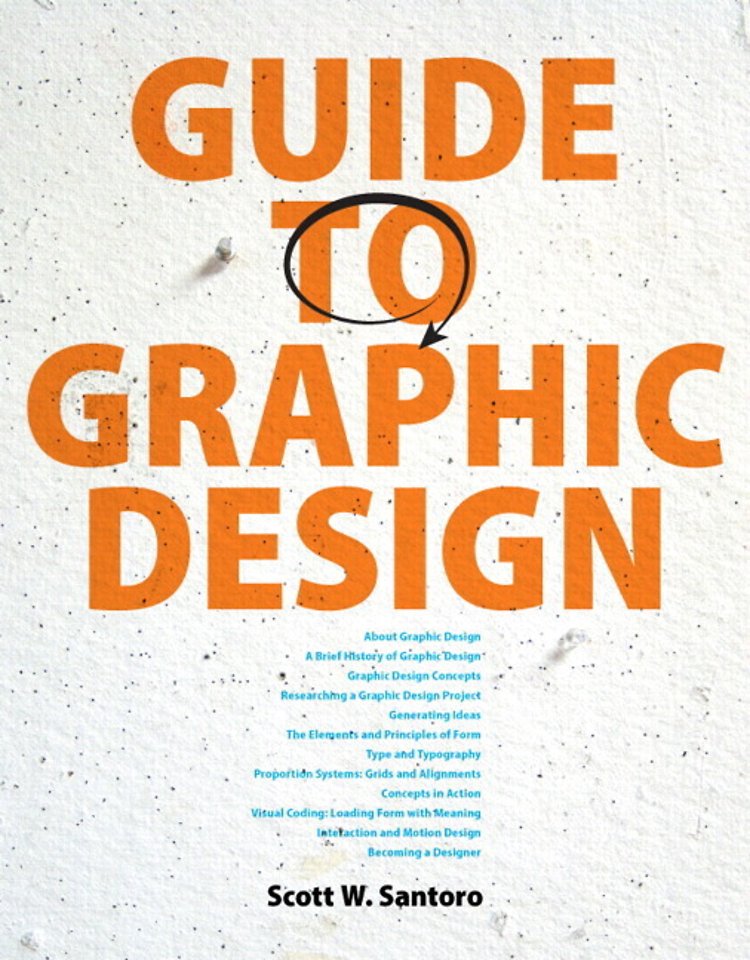
Guide to Graphic Design

Specificaties
Paperback, blz. | Engels
Pearson Education | 2013
ISBN13: 9780132300704
Rubricering
Pearson Education e druk, 2013 9780132300704
€ 143,74
Levertijd ongeveer 9 werkdagen
Gratis verzonden

Samenvatting

Learn to Conceptualize, Create, and Communicate in Graphic Design.


An exciting first edition, Guide to Graphic Design helps readers learn the mechanisms used to convey information, integrate ideas into full concepts, but most importantly, to think like a graphic designer.  Scott W. Santoro focuses on the principle that design is a layered and evolving profession. The text highlights step-by-step design processes and illustrates how to build good work habits.


Creations from top design firms and design school programs are presented in each chapter engaging readers through the book.  Designers have contributed short essays on their work style, their studio habits, and their inspirations. Each designer, showing a passion for design and communication, offers a new perspective and approach to possible working methods.


MyArtsLab is an integral part of the Santoro program. Key learning applications include, Closer Look tours, 12 Designer Profile videos and Writing About Art. 


This text is available in a variety of formats – digital and print. Pearson offers its titles on the devices students love through Pearson’s MyLab products, CourseSmart, Amazon, and more. To learn more about our programs, pricing options and customization, click the Choices tab.


A better teaching and learning experience

This program will provide a better teaching and learning experience–for you and your students. Here’s how: Personalize Learning  - MyArtsLab is an online homework, tutorial, and assessment program. It helps students prepare for class and instructor gauge individual and class performance. Improve Critical Thinking - Exercises throughout the text help readers to make decisions and understanding the connection between an idea and its execution. Engage Students - Each chapter presents quick, in-class exercises and longer, more involved projects. Support Instructors - Instructor recourses are available in one convenient location. Figures, videos and teacher support materials create a dynamic, engaging course.

Specificaties

ISBN13:9780132300704
Taal:Engels
Bindwijze:Paperback

Inhoudsopgave

<p><strong>In this Section: <br>1) Brief Table of Contents</strong></p> <p><strong>2) Full Table of Contents</strong></p> <p> <br></p> <p><strong>BRIEF TABLE OF CONTENTS:</strong></p> <p><strong>Preface. </strong>Virtual Crit Wall, Dear Reader and Features</p> <p><strong>Chapter 1. </strong>About Graphic Design</p> <p><strong>Chapter 2. </strong>A Brief History of Graphic Design</p> <p><strong>Chapter 3.</strong> Graphic Design Concepts</p> <p><strong>Chapter 4. </strong>Researching a Graphic Design Project</p> <p><strong>Chapter 5. </strong>Generating Ideas</p> <p><strong>Chapter 6. </strong>The Elements and Principles of Form</p> <p><strong>Chapter 7. </strong>Type and Typography</p> <p><strong>Chapter 8. </strong>Proportion Systems: Grids and Alignments</p> <p><strong>Chapter 9. </strong>Concepts in Actions</p> <p><strong>Chapter 10. </strong>Visual Coding: Loading Form with Meaning</p> <p><strong>Chapter 11. </strong>Interactions and Motions Design</p> <p><strong>Chapter 12. </strong>Becoming a Designer</p> <p><strong> <br> </strong></p> <p><strong>FULL TABLE OF CONTENTS:</strong></p> <p><strong>Chapter 1. About Graphic Design</strong></p> <p>Graphic Design’s Heritage</p> <p>Graphic Design Categories</p> <p>Being a Graphic Designer</p> <p>Influences in Graphic Design</p> <p>The Nuts and Bolts Process of Graphic Design</p> <p><strong>Chapter 2. A Brief History of Graphic Design</strong></p> <p>Industrial Expansion</p> <p>A Turn-of-the-Century Response to Industrialization</p> <p>Moving towards a Modern Sensibility</p> <p>The Modern World</p> <p>Designing Utopia</p> <p>Ideological Independents and the New Typography</p> <p>Modernism in America</p> <p>Advertising Design and the New York School</p> <p>Conceptual Image-Makers</p> <p>Postmodernism and the Digital Age</p> <p><strong>Chapter 3. Graphic Design Concepts</strong></p> <p>From Ideas to Concepts</p> <p>Concepts Go Further</p> <p>Metaphoric Concepts</p> <p>Analytic Concepts</p> <p>Meta Concepts</p> <p>Applying Conceptual Approaches</p> <p><strong>Chapter 4. Researching a Graphic Design Project</strong></p> <p>Gathering Information</p> <p>Defining the Problem</p> <p>Techniques for Visualizing Research</p> <p>The Saturation Point</p> <p><strong>Chapter 5. Generating Ideas</strong></p> <p>Making a Creative Work Environment</p> <p>Actively Generating Ideas</p> <p>Generating Montaged Ideas</p> <p>Benefitting from Playful Accidents</p> <p>Refreshing Your Vision</p> <p><strong>Chapter 6. The Elements and Principles of Form</strong></p> <p>Form and Function</p> <p>Compositional Elements</p> <p>Compositional Principles</p> <p><strong>Chapter 7. Type and Typography</strong></p> <p>Speaking with Type</p> <p>Historical Type</p> <p>Type Classifications</p> <p>Typeface Anatomy</p> <p>Typeface Families and Fonts</p> <p>Analytic Typography</p> <p>Readable Texture</p> <p>Metaphoric Typography</p> <p>Vernacular Inspiration</p> <p>Recontextualizing Type</p> <p>Type in the Third Dimension</p> <p><strong>Chapter 8. Proportion Systems: Grids and Alignments</strong></p> <p>Defining a Grid</p> <p>Developing Modular Grids</p> <p>Developing Modular Patterns</p> <p>Typographic Grids</p> <p>Freestyle Alignments</p> <p>Exploiting the Grid</p> <p>The Golden Ratio</p> <p>Paper Formats</p> <p>Paper-Fold Formats</p> <p>The Rule of Thirds</p> <p><strong>Chapter 9. Concepts in Actions</strong></p> <p>Concepts Inspired by a Subject’s Location</p> <p>Analytic-Based Concepts</p> <p>Using Research as a Conceptual Approach</p> <p>Bringing a Bigger Idea to a Concept</p> <p><strong>Chapter 10. Visual Coding: Loading Form with Meaning </strong></p> <p>Visual Codes Do Send Messages</p> <p>Tools for Visual Coding</p> <p>Gestalt Perception</p> <p>Design Using Gestalt Perception</p> <p>Semiotics</p> <p>Icon, Index, and Symbol</p> <p>Visually Coded Identities</p> <p>Logo Application</p> <p>Why Create Meaning in a Design</p> <p><strong>Chapter 11. Interactions and Motions Design</strong></p> <p>Designing for a Virtual Space</p> <p>Interaction and Motion Concepts</p> <p>Digital Storytelling</p> <p>The Design of Sound</p> <p>The Expanding Realm of Graphic Design</p> <p><strong>Chapter 12. Becoming a Designer</strong></p> <p>Getting a Job in Graphic Design</p> <p>Personal Website and Design Blog</p> <p>Interviewing</p> <p>The Business of Design</p> <p>The You in Your Work</p> <p>Design and Technology</p> <p>Design and the Fine Arts</p>
€ 143,74
Levertijd ongeveer 9 werkdagen
Gratis verzonden

Rubrieken

    Personen

      Trefwoorden

        Guide to Graphic Design